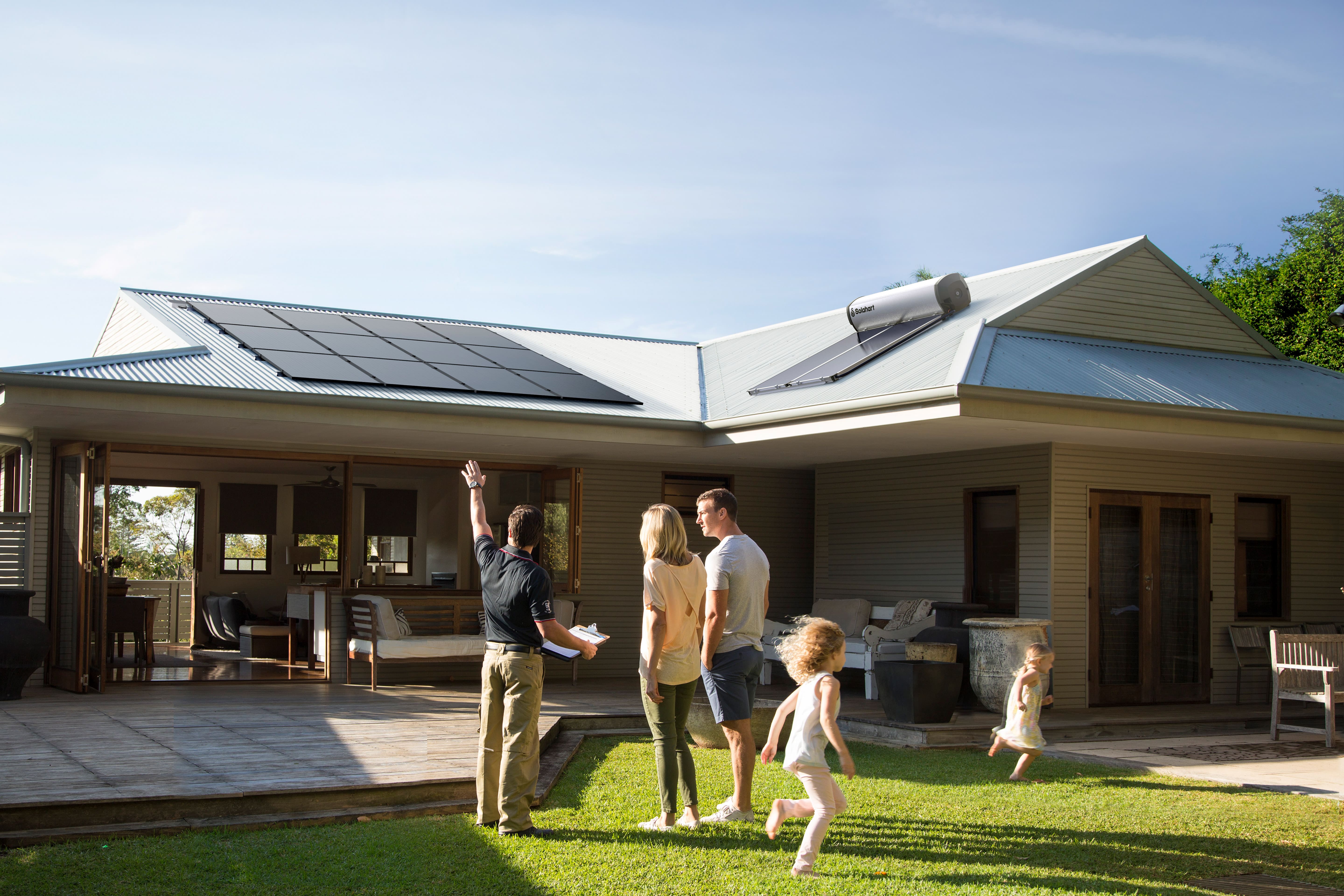
Getting the most from your solar panels means understanding when your system produces the most energy and how to use it wisely. For Australian homeowners, one of the smartest strategies is timing your heavy appliances, like laundry, during solar peak hours when your panels are working hardest. Add a home battery storage system into the mix, and you've got a powerful way to maximise self-consumption throughout the day.
Let's explore how this approach can help you make better use of your solar investment.
Understanding Solar Peak Hours
In Australia, solar panels typically produce their peak output between 9 AM and 3 PM, depending on your location and the season. During these hours, your system generates the most electricity, yet many households aren't home or aren't using much power at that time.
This is where intentional appliance scheduling comes in. By shifting some of your energy use to align with these peak production times, you can use more of the solar energy your panels generate rather than sending it back to the grid or relying on stored battery power.
The more solar energy you actually use in your home, the greater your self-consumption rate becomes. This is important because it means you're maximising the value of your solar installation.
Why Laundry is a Perfect Candidate for Solar Scheduling
Laundry is one of the most energy-intensive household tasks. A single wash and dry cycle can consume a significant amount of electricity, making it an ideal candidate for solar scheduling.
Unlike cooking or heating, laundry is usually a flexible task that can be planned around your solar generation. Most households do laundry on a regular schedule anyway, so shifting it to peak solar hours is simply a matter of changing your routine.
By running your washing machine and dryer during peak solar hours, you're using electricity your panels are actively generating rather than drawing from the grid or your battery reserve. This simple change can make a noticeable difference to your overall self-consumption rate over time.
The Role of Home Battery Storage
Home battery storage systems add another layer of intelligence to your solar setup. These batteries store excess solar energy that you don't use immediately, making it available when you need it later, such as in the evening or on cloudy days.
With battery storage in place, you have more flexibility with your appliance scheduling. You can still prioritise running heavy appliances during peak solar hours, but you're also building up stored energy for later use. This combination means you're capturing more of your total solar production.
Battery systems also provide protection against grid outages and can help you manage your energy use throughout the day more strategically. The stored energy becomes a buffer, allowing you to rely less on grid electricity during peak demand periods when rates might be higher.
Creating a Smart Laundry Schedule
Implementing a solar-focused laundry routine doesn't have to be complicated. Here are some practical steps to consider.
First, identify your household's peak solar hours based on your location and your own solar system's performance. Your installer or local solar provider can help you understand these times. Second, plan your laundry around these hours where possible. If you do laundry mid-morning or early afternoon, you're likely to benefit from peak generation.
Third, consider combining laundry with other household tasks during these peak hours. Running your laundry, dishwasher, or other appliances simultaneously makes sense when your solar production is at its highest.
Fourth, monitor your solar generation and battery status. Many modern solar systems include apps or monitoring tools that show real-time production and battery levels, helping you make informed decisions about when to use high-energy appliances.
If you're unsure how to optimise your schedule, the team at Orange Electrical Works can provide personalised advice based on your specific solar system and household patterns.
Maximising Your Solar Investment
The goal of any solar system is to generate clean energy and use as much of it as possible in your home. By combining smart appliance scheduling with home battery storage, you're taking active steps to maximise your self-consumption.
This approach has a cascading benefit: the more solar energy you use yourself, the less you need from the grid, and the more you can benefit from your renewable energy investment. It's a straightforward way to align your daily routine with your solar production.
While every household's situation is different, taking advantage of peak solar hours for energy-intensive tasks is a strategy that works across Australian homes. Orange Electrical Works can help you assess whether your current routine is optimised and discuss whether battery storage might be a valuable addition to your system.
Next Steps
If you're already using solar, scheduling your laundry during peak hours costs nothing to try and could offer meaningful benefits. If you're considering solar for your home, understanding how battery storage and smart scheduling work together can help you make the most of your investment from day one.
Energy savings vary depending on household usage and location.